
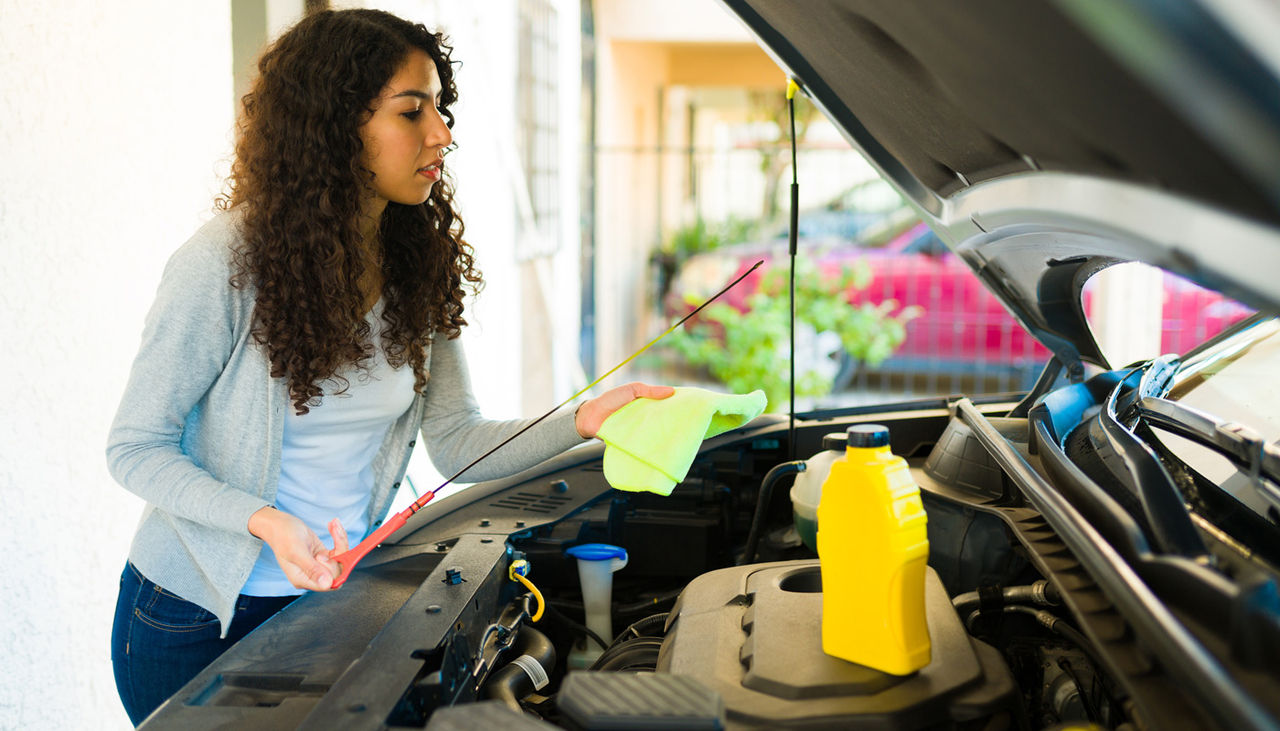
A car hardly ever breaks down out of nowhere. Almost every roadside emergency– a dead battery, a blown tire, a getting too hot engine– has a backstory of tiny indication that got disregarded. The good news is that a lot of maintenance doesn’t need a technician’s tool kit or a weekend break of your time. It needs a routine. This guide goes through precisely what to check, exactly how typically, and why it matters, so you can keep your lorry reputable without transforming automobile treatment into a second job.
Why Routine Upkeep Pays for Itself
Avoiding an oil adjustment or neglecting a squeaky brake could conserve you an afternoon today, yet it generally costs more later. A disregarded timing belt can damage an engine. A used brake pad can damage a rotor. A reduced tire can burn out at freeway speed.follow the link https://verdict.reviewbay.workers.dev/reviews/utvdirectcom At our site Precautionary maintenance is cheap insurance coverage– it trades small, foreseeable prices now for the avoidance of big, unforeseeable ones later.
The Core Upkeep Arrange
Every car is different, and you must always defer to your owner’s manual, but the table below shows basic industry support that applies to most gasoline-powered automobiles.
| Job | Normal Period | Why It Matters |
|---|---|---|
| Oil and filter change | Every 5,000– 7,500 miles (synthetic oil can extend this more) | Old oil sheds lubricating residential properties, raising engine wear |
| Tire turning | Every 5,000– 7,500 miles | Advertises also tread wear and extends tire life |
| Air filter replacement | Every 12,000– 15,000 miles | A clogged up filter lowers airflow and fuel performance |
| Brake pad inspection | Every 10,000– 12,000 miles | Worn pads enhance quiting distance and can harm rotors |
| Coolant flush | Every 30,000 miles or 2– 5 years | Avoids overheating and deterioration in the cooling system |
| Battery check | Every 2– 4 years | Batteries break down with age and temperature level extremes |
| Timing belt (if geared up) | Every 60,000– 100,000 miles | A snapped belt can cause catastrophic engine damage |
Regular Monthly Checks You Can Do Yourself
You don’t require to wait on a scheduled solution to capture issues early. A couple of five-minute checks monthly can flag problems before they become pricey.
- Tire pressure: Check when tires are cold, utilizing the stress detailed on the driver’s door jamb, not the number printed on the tire sidewall.
- Walk deepness: The timeless penny examination still functions– put a penny right into the tread groove with Lincoln’s head upside down; if you can see the top of his head, it’s time to replace the tire.
- Liquid levels: Check engine oil, coolant, brake fluid, and windshield washing machine liquid. Reduced levels can indicate a leakage.
- Lights: Walk the car with the engine running and check fronts lights, brake lights, directional signal, and turn around lights.
- Wiper blades: Spotting or missing generally means it’s time for a replacement– typically every 6– twelve month.
Indication You Ought To Never Neglect
Control panel Lights
The check engine light is the most misconstrued indicator on the dashboard. It can imply anything from a loose gas cap to a failing catalytic converter. If it’s flashing instead of constant, that typically suggests an active misfire– pull over and get it checked as soon as possible as opposed to remaining to drive.
Sounds and Smells
- Grinding when stopping: Frequently means the brake pads are completely put on and steel is speaking to metal.
- Sweet odor: Normally shows a coolant leak.
- Burning smell: Could be an oil leak trickling onto a hot engine element, or an overheating clutch.
- Squealing belt: Usually a loosened or worn serpentine belt.
Seasonal Upkeep Matters Too
Automobiles function harder in extreme weather, and a small seasonal checklist prevents most weather-related breakdowns.
- Prior to wintertime: Examine the battery (cold weather is ruthless on aging batteries), check antifreeze focus, and button to winter-rated wiper liquid if you live someplace that ices up.
- Before summer journey: Check coolant degrees and tubes, given that overheating is one of the most typical warm-weather break down, and confirm tire stress since heat enhances stress and can push a limited tire past its limitation.
Do it yourself vs. Specialist Service
Some tasks are genuinely simple in the house– examining liquids, replacing wiper blades, altering an air filter, and also switching a battery. Others, like brake job, timing belt replacement, or anything including the suspension or airbags, lug actual security danger if done incorrectly and are generally much better entrusted to a qualified specialist. A sensible general rule: if a mistake might affect your capacity to quit or guide, obtain specialist assistance.
Final Thoughts
Cars and truck maintenance isn’t concerning excellence– it’s about consistency. A motorist that does the essentials accurately, every time, will certainly generally have a more reliable cars and truck than one who does whatever completely however occasionally. Build the look into your routine, keep a simple log, and your auto will certainly keep its side of the plan on years much longer than it otherwise would certainly.